

Hybrid System

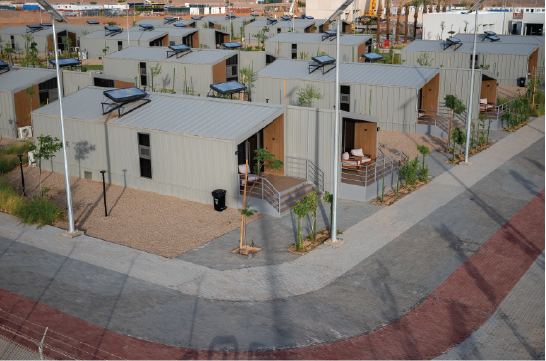
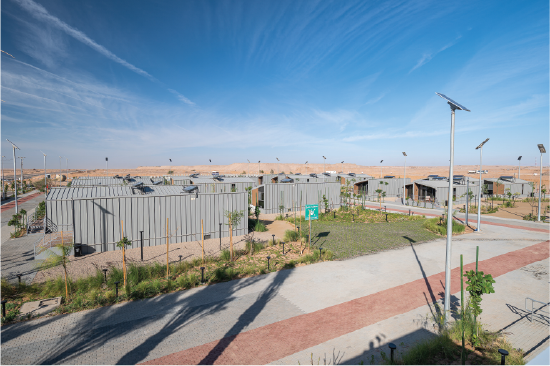
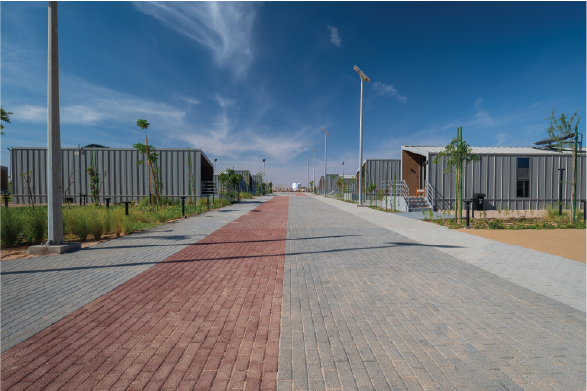
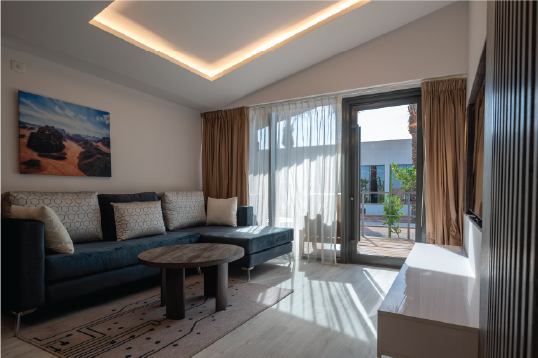
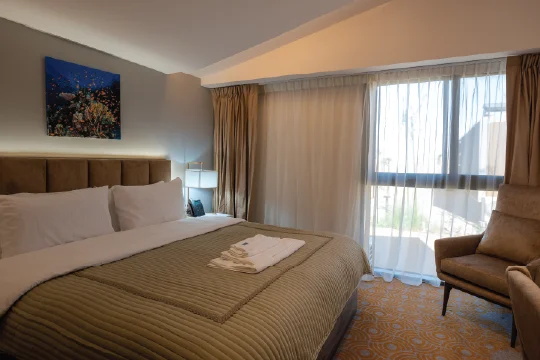
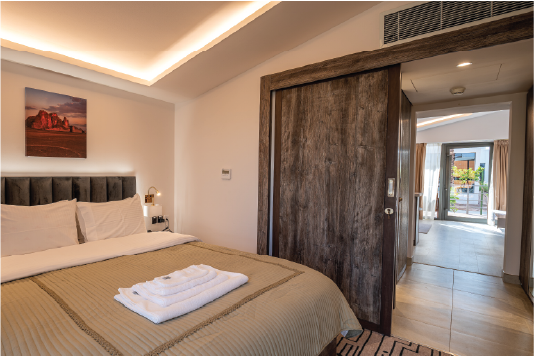
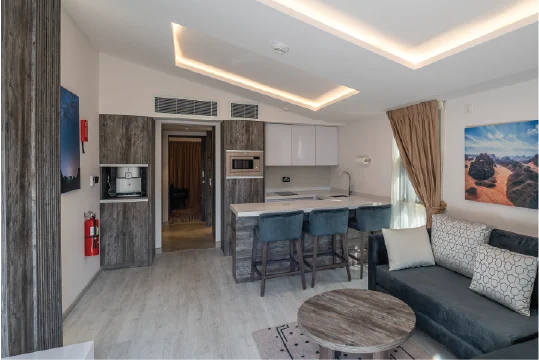
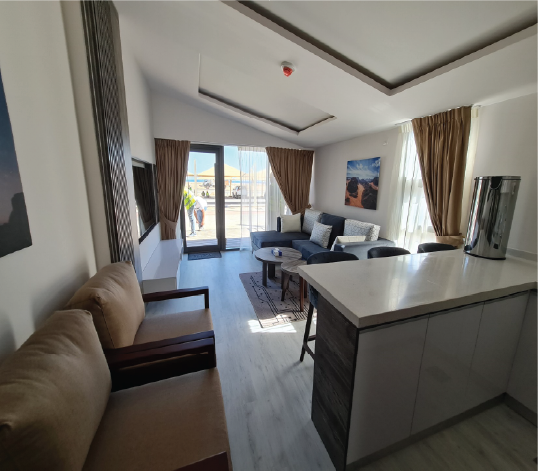
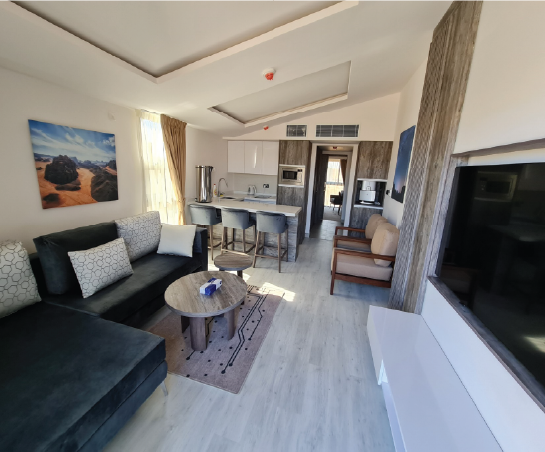
Suitable for high-end semi-permanent accommodation for senior-level individuals
Covers the entire process from concept to detailed design to construction
Offers high-end finishing equivalent to that of 3-4 star hotel rooms
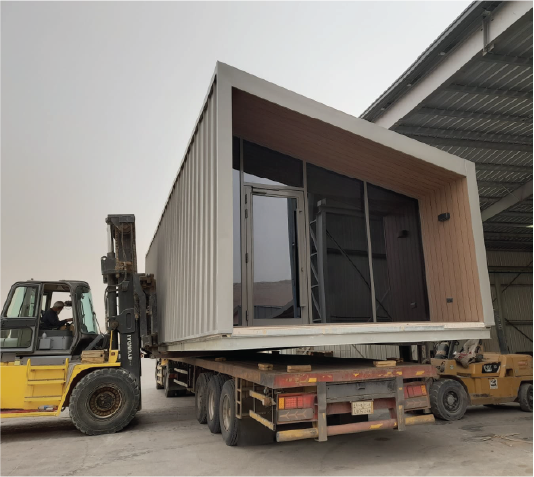
The hybrid structural system enables units to be dispatched fully furnished from the factory
Off-site manufacturing reduces the overall project duration and minimizes on-site work
The structure is designed to withstand all loading conditions, including wind, seismic activity, temperature, and more
Units can be easily relocated at any time during their lifetime
The Hijin Building System, also known by the Japanese pronunciation “haiken,” is a traditional building approach characterized by a construction technique without the use of nails, screws, or other metal fittings. This system is mainly used in traditional wooden construction in Japan, and is based on an innovative disassembly and assembly technique.
Hijin construction technology is characterized by the following:
Metal-free assembly: Wooden structures are assembled by solid timbers tightly without the need for metal tools such as nails or screws.
Disassembly and reuse: The Hygiene Building System allows the structures to be easily disassembled, allowing materials and assemblies to be reused in other construction projects.
Integration with nature: Hygiene construction relies on the use of natural materials such as wood, allowing buildings to blend in with the surrounding environment and minimize the ecological footprint.
Versatility and flexibility: The Hygiene Building System enables the realization of diverse designs and high flexibility in space planning and the design of internal and external structures.
The Hijin Building System is a historic traditional technique in timber construction in Japan that has survived to the present day to maintain its beauty and effectiveness, which can be seen in many traditional and contemporary buildings both in Japan and abroad.